Educational Storybook PDF: Imaginative Lessons for Kids
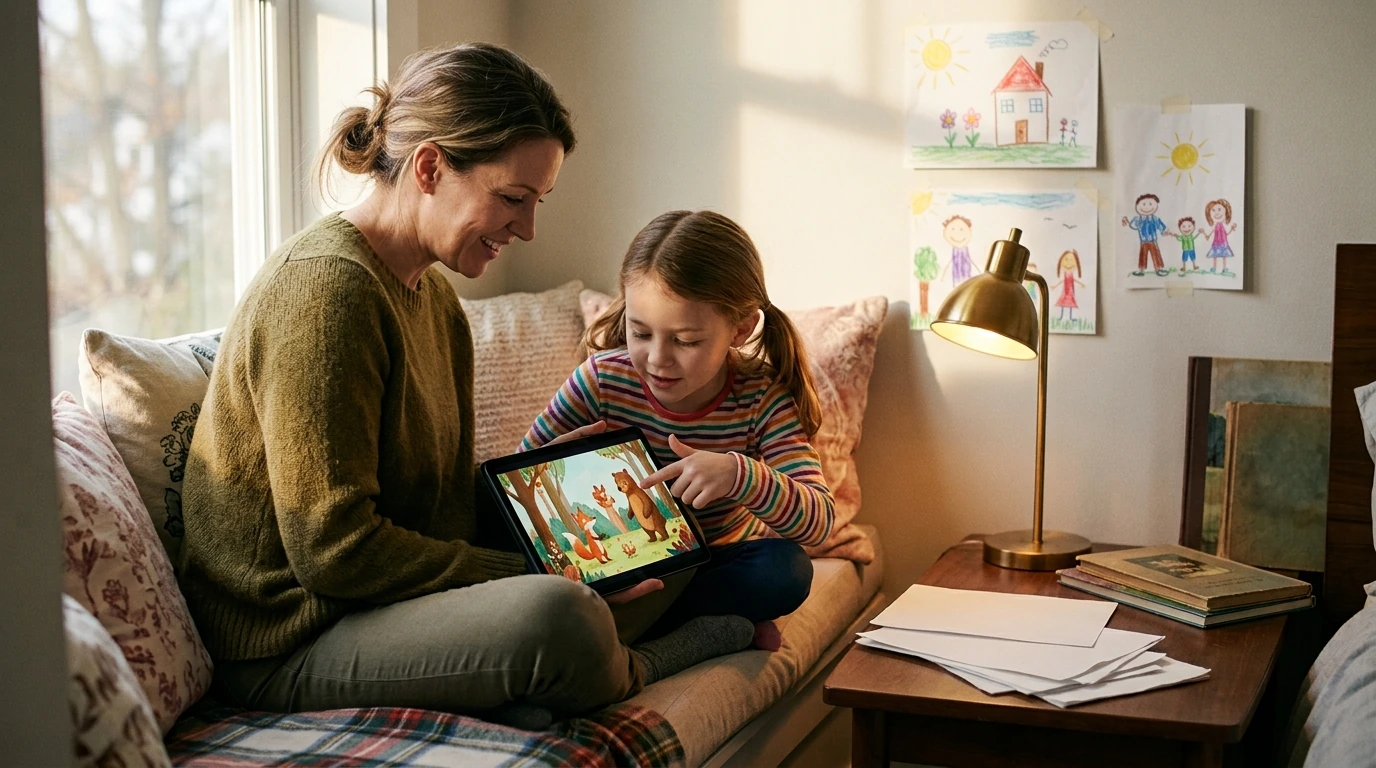
Educational Storybook for Growing Minds: Imaginative Lessons Kids Can Read Again and Again
A well-chosen story can do more than entertain—it can build language, empathy, and problem-solving skills in a way that feels natural to kids. This digital story collection is designed for growing minds, pairing imaginative plots with gentle lessons that support everyday learning at home, on the go, or during quiet reading time.
What makes a story “educational” without feeling like homework
Stories “teach” best when the lesson is woven into what characters do—not tucked into a lecture at the end. When kids get absorbed in a plot, they practice thinking skills almost automatically.
- Clear, age-appropriate themes that show up through character choices (not long explanations)
- Simple cause-and-effect moments that help kids connect actions to outcomes
- Vocabulary in context so new words feel intuitive and memorable
- Opportunities to talk: natural pauses where a child can predict, reflect, or relate
- A positive emotional arc that models coping, kindness, patience, and resilience
For more science-backed family reading tips, the American Academy of Pediatrics highlights how reading supports language development from the earliest years.
What’s included in the Educational Storybook for Growing Minds (digital PDF)
If you like variety (and kids do, too), a collection-style download makes it easy to switch up the mood without hunting for a new book every time.
- A collection-style format that keeps reading fresh with multiple stories in one download
- Imaginative storytelling paired with practical lessons kids can apply to real situations
- Digital delivery for instant access—use on tablets, computers, or print selected pages if preferred
- Useful for independent reading, bedtime reading, classroom centers, or travel downtime
- A flexible choice for families who want more reading without adding physical clutter
Find the download here: Educational Storybook for Growing Minds (Kids eBook PDF).
Skills kids practice through imaginative stories with lessons
Rereading favorites isn’t “stuck”—it’s practice. Familiar stories free up a child’s brain to notice details, emotions, and patterns they missed the first time.
- Reading stamina: returning to stories encourages longer attention spans over time
- Comprehension: recalling events, identifying the main idea, and understanding character motivation
- Social-emotional learning: noticing feelings, recognizing perspectives, and practicing kind responses
- Problem-solving: watching characters try, fail, adjust, and succeed
- Creative thinking: imagining alternatives and extending the story through play or drawing
Reading aloud and talking about stories can deepen understanding—Reading Rockets offers practical guidance for building comprehension through conversation.
Storytime learning moments and easy follow-up activities
| Storytime focus | What to listen for | Quick activity (5–10 minutes) |
|---|---|---|
| Kindness & empathy | How a character notices someone else’s feelings | Draw a “kind choice” comic strip with 3 panels |
| Perseverance | A setback and what the character tries next | Make a “try again” plan: 1 problem, 2 new strategies |
| Honesty & responsibility | A moment where a character owns a mistake | Role-play: how to say sorry and how to fix it |
| Friendship & teamwork | Sharing, turn-taking, or solving a problem together | Build something together (blocks/paper) with two rules decided by the child |
| Curiosity & learning | Questions a character asks and how they find answers | Create a “wonder list” of 5 questions to look up later |
These kinds of skills overlap with core social-emotional competencies like self-management and relationship skills, outlined by CASEL.
Best times to use a digital story collection at home
Digital stories shine when you need reading to fit into real life—without packing extra items or losing a favorite book under the car seat.
- Bedtime wind-down: a consistent routine helps kids anticipate rest and feel secure
- After-school reset: a short story can ease transitions and reduce overstimulation
- Morning calm: a quiet start supports focus before school or activities
- Travel and waiting rooms: screen time that still supports reading habits
- Family reading: siblings can listen together and discuss different perspectives
How to make lessons stick without turning reading into a quiz
Kids don’t need a stack of questions to learn. One thoughtful prompt, timed well, can turn a story into a memory they carry into real moments.
- Ask open questions: “What do you think happens next?” and “Why did they do that?”
- Name the feeling first: “That sounded disappointing—what could help?”
- Connect to real life gently: “Has something like that happened at school or home?”
- Keep it short: one good question per story can be enough
- Let kids lead: if they want to reread a favorite part, that repetition supports learning
For caregivers who want extra support with calm, respectful language during those everyday teaching moments, pair storytime with Positive Parenting Tips Guide for gentle communication at home.
Digital download tips: devices, printing, and kid-friendly access
Who this story collection tends to fit best
FAQ
What age range is this educational storybook best for?
It’s a strong fit for early elementary kids, with themes that support developing comprehension and social-emotional skills. Younger children can enjoy it as a read-aloud, while stronger readers may use it for independent reading.
How does the digital download work after purchase?
After checkout, you’ll receive a downloadable PDF that you can open on a tablet or computer using a standard PDF reader. Save a backup copy in a secure folder or cloud storage, and print selected pages if you prefer some offline reading.
Can this be used for bedtime reading and learning activities?
Yes—choose one story per night to keep bedtime predictable and calming. If you want a simple learning boost, add one open-ended question or a quick activity like drawing a favorite scene and naming the lesson.











Leave a comment